What If You’re Wrong?
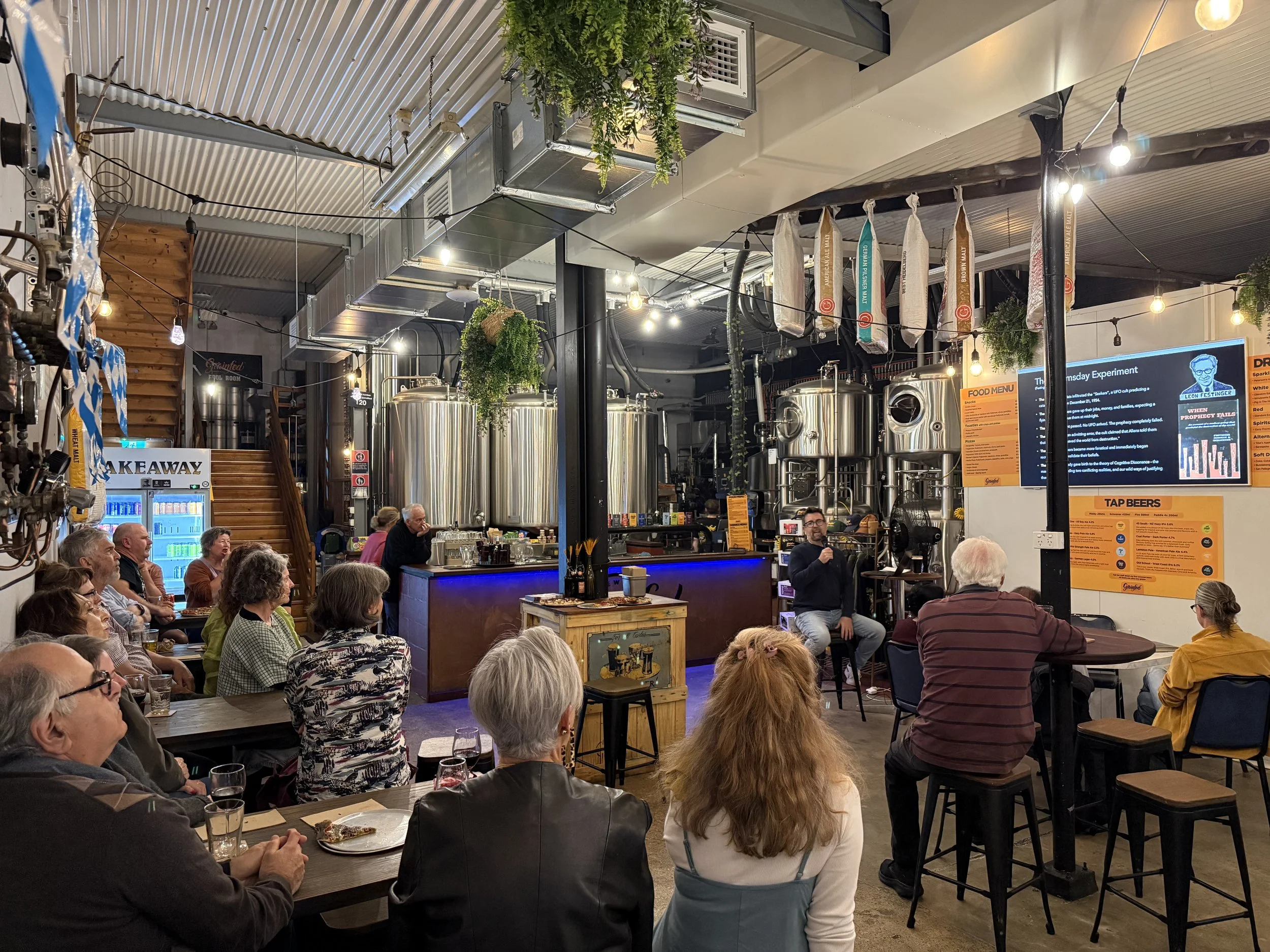
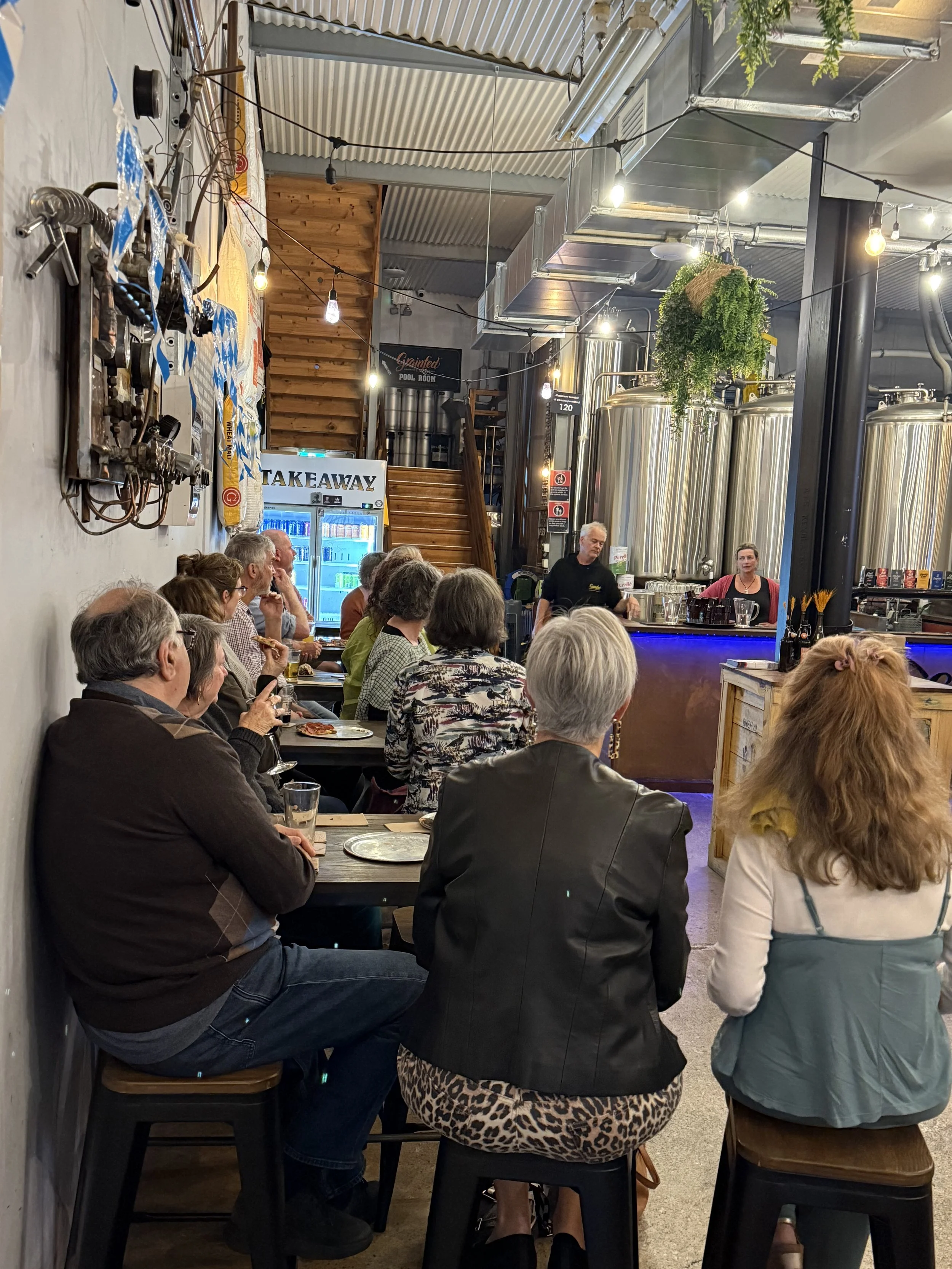
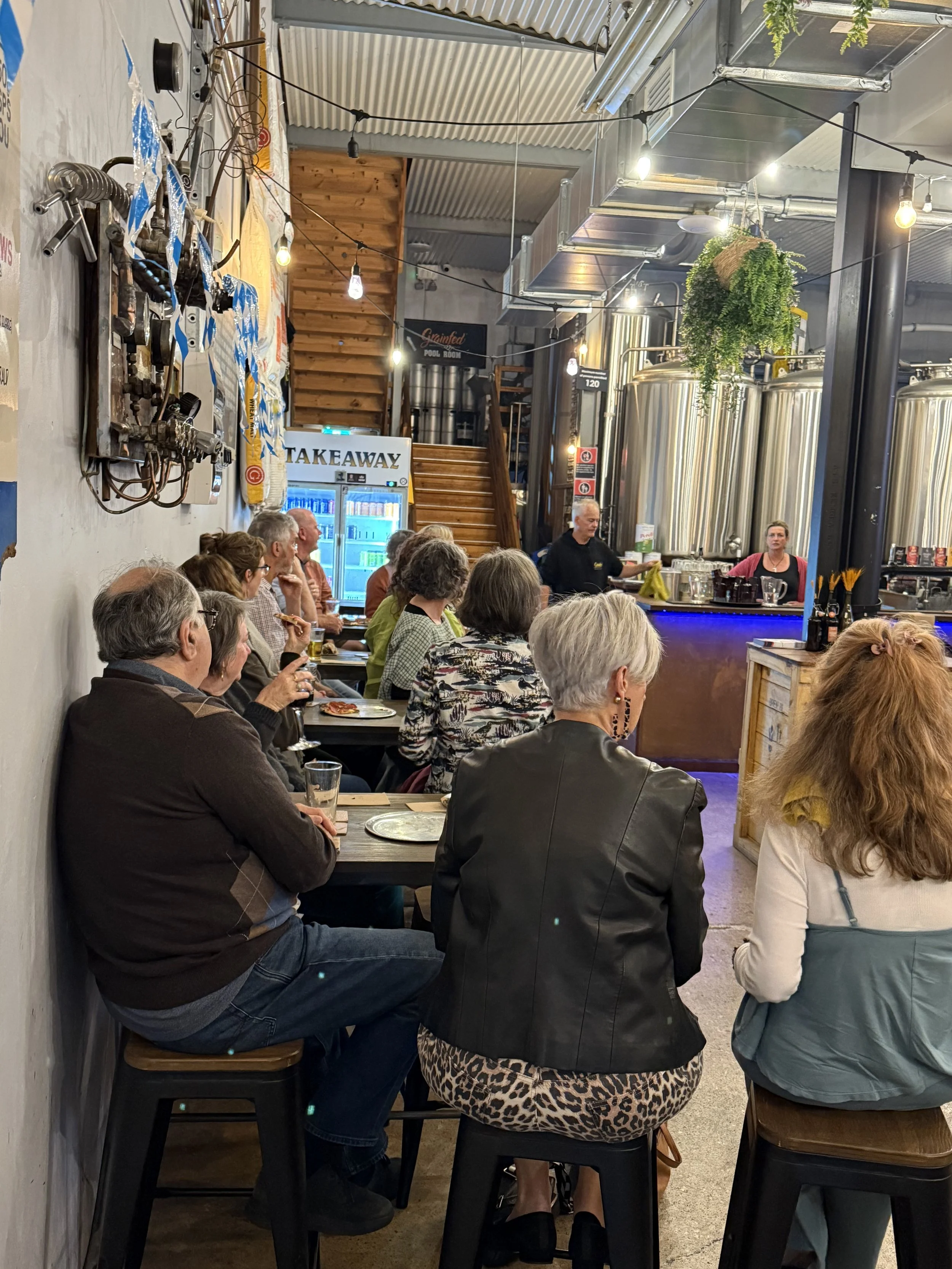
For our second Publosophy meet-up on October 7, we tackled the gristly topic of What If You’re Wrong?
The question was inspired by the seemingly disproportionate number of people that seem to think they’re right about nearly everything these days. Whether it’s the keyboard warrior whose incendiary comments have no end, the influencer who finds a sneeze offensive, or the guy in the carpark who thinks the way you drive is a personal attack on his freedom, there is no end to people’s sense of entitlement and moral superiority.
We started with the story of the 1950s UFO cult The Seekers (not the band) who claimed that the world would come to an end on December 21, 1954 due to a massive flood. Only cult members would be saved by aliens who were in regular contact with their leader. Spoiler alert**… the world didn’t end. But even more surprisingly, the cult members, even though proven completely wrong, still believed they were right and that the world was only saved because of how committed the cult was to warning humanity of the impending doom. The whole event was later turned into a book by psychologist Leon Festinger who had infiltrated the cult to learn more about their inalienable truths. His experience lead him to develop the theory of cognitive dissonance. At least something good came of it all!
That inability to accept reality and the truth is known as dysrationalia. It’s when someone, say a President, who is seemingly intelligent, tells the world they should drink… I dunno… something really toxic like bleach to cure Covid. (I know, it’s an absurd example, as if that would ever happen!)
We then looked at some of the key philosophical questions and theories on truth, belief and how we come to form opinions or make decisions even in the absence of evidence or proof.
We touched on William James concept of a ‘leap of faith’, Wittgenstein’s idea of some beliefs being hinges that the rest of our world swings on, Kant’s willingness to set aside knowledge to make room for faith and a deeper look at Pascal’s Wager.
C.S Pierce has a theory that there are four ways we settle on beliefs:
1. Stubbornness (that’s just how it is)
2. Authority (I know this so that’s all the proof you need)
3. What feels agreeable (the other options sound silly)
4. Testing
And only testing, he claims, is capable of correcting itself. So start testing your beliefs people!
We considered how beliefs are shaped using some well-known thought experiments like the Shipowner (Clifford), the Butterfly (Zhuangzhi), The Swan (Popper) and the Chicken or Turkey (Hume and Russell).
And to top the night off, Paul presented his own thoughts on how beliefs can be separated into Facts and Values and showed how Hume’s Is/Ought theory sits in between those two, giving us an opportunity to consider the value at stake in any proposition.
Something like this…
Mum has had another fall at home.
The IS: Mum is 84, she lives in alone and has fallen three times this year.
The OUGHT: Mum ought to move into a nursing home where she can be better supervised.
The VALUE AT STAKE: Safety matters more than independence
The QUESTION: Who gets to decide what a good life looks like at 84? Mum who cherishes her independence, or the kids who worry about her safety?
What do you think?
See below for the presentation from the night. Scroll to view slides.